


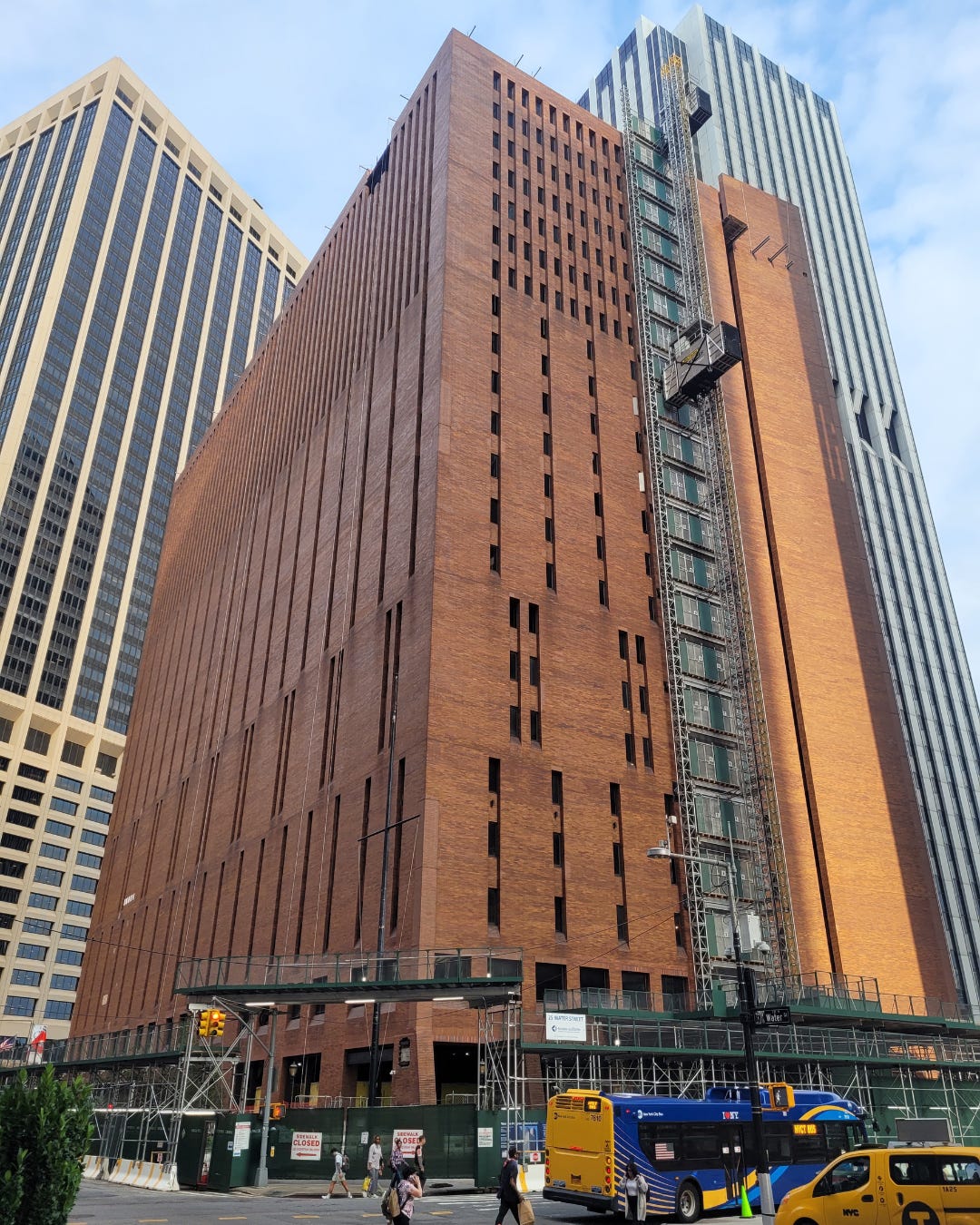
Every underutilized building is telling you two numbers at once. The first is what it is worth doing what it does now — a half-occupied office tower, a shuttered school, a church with a Sunday attendance in the low double digits. The second is what it is worth to someone who has already priced the next use. Most owners hold assets on the first number and sell on it too. The opportunity sits in the distance between the two.
That distance has a name — when a building’s original design no longer serves a productive use. Not because the structure has failed, but because the world moved and the building could not follow — we call it functionally obsolete. The factory built for an assembly line that no longer runs. The office built for a way of working that changed. The building is sound. Its purpose is spent. Those are different conditions, and the difference is where value is made or missed.
Set functional obsolescence next to a second idea, highest and best use — of all the legally permitted things a property could do, the one that produces the most value — and you have the mechanism behind every conversion in the country right now. A use goes obsolete. The building empties. It sits, sometimes for years, while its old highest and best use is gone and its new one has not yet arrived. Then the market supplies a new most-profitable use, and the building converts to meet it. That interval — obsolescence, vacancy, repositioning — is not a story about a failed asset. It is the ordinary arc of a building between one productive life and the next.
The Opportunity in the Trough
The vacancy is the part owners tend to read as loss and buyers read as entry. A building standing empty is a building priced on its departing use while its arriving use is still invisible on the rent roll. That is precisely the window in which the spread between the two numbers is widest — and the window in which a well-timed transaction captures it.
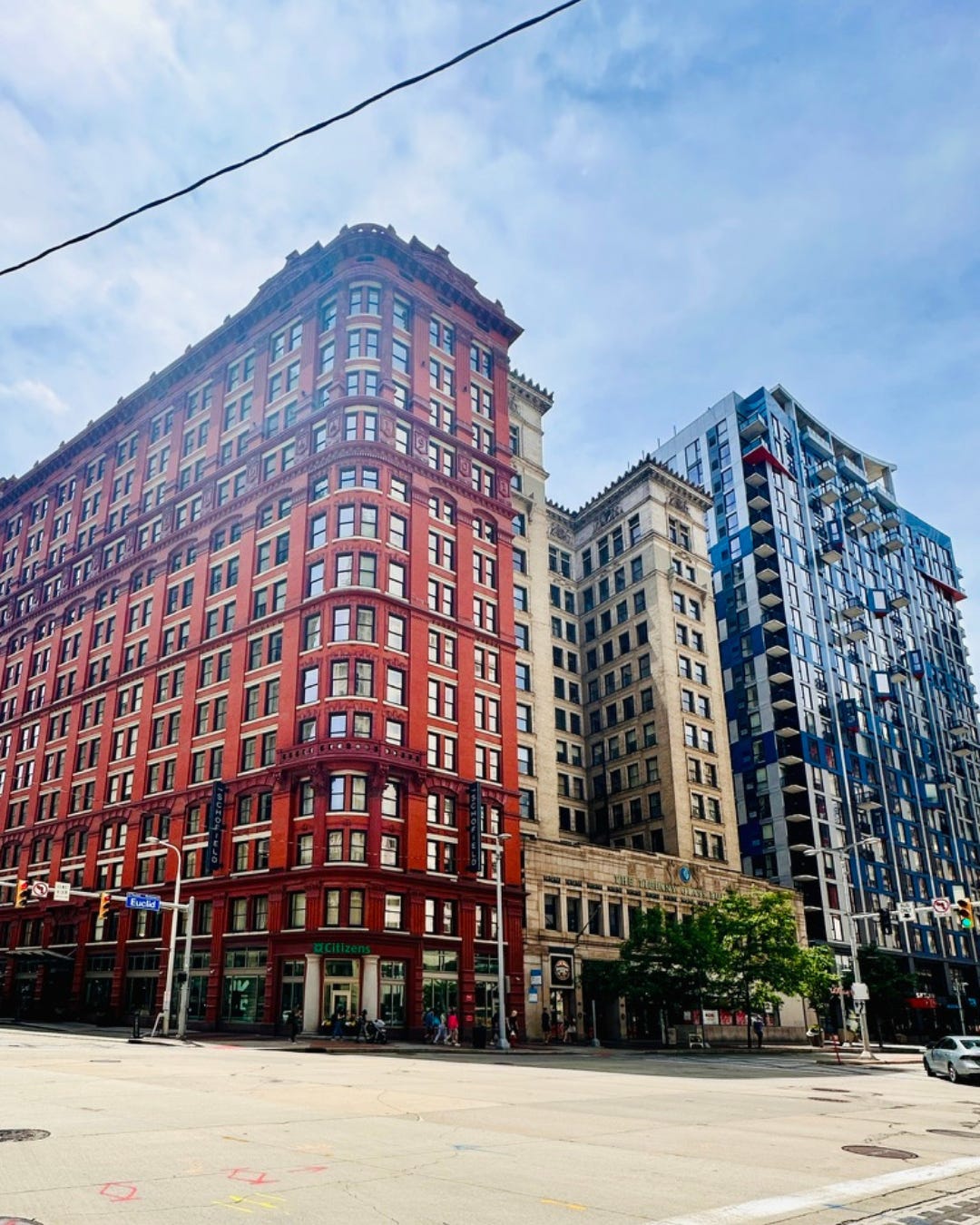
The national data now describes this at scale. Close to 25,000 apartments were completed from adaptive reuse projects across the U.S. in 2024 — roughly 50% more than the year before, and double the 2022 figure. More telling for anyone holding an underutilized asset: about 181,000 apartments are in various stages of conversion nationwide, up 19% year over year, with the largest share drawn from former office space. This is no longer a coastal curiosity or a preservationist’s hobby. It is a repricing event moving through the built environment, and it is accelerating.
The composition of that activity is itself a map. Hotels led adaptive reuse in 2024 at roughly 37% of projects, offices at nearly 24%, industrial at about 20%, and schools at 8%. Schools were the fastest-growing segment by rate — apartment output from former school buildings roughly quadrupled in a single year, climbing from 3% of conversions to just under 8%. Each of those categories emptied for its own reason, on its own timeline, and each now trades at a different point in the same cycle.
Four Buildings, One Cycle
The reason matters, because the reason tells you who the buyer is and when the window opens.
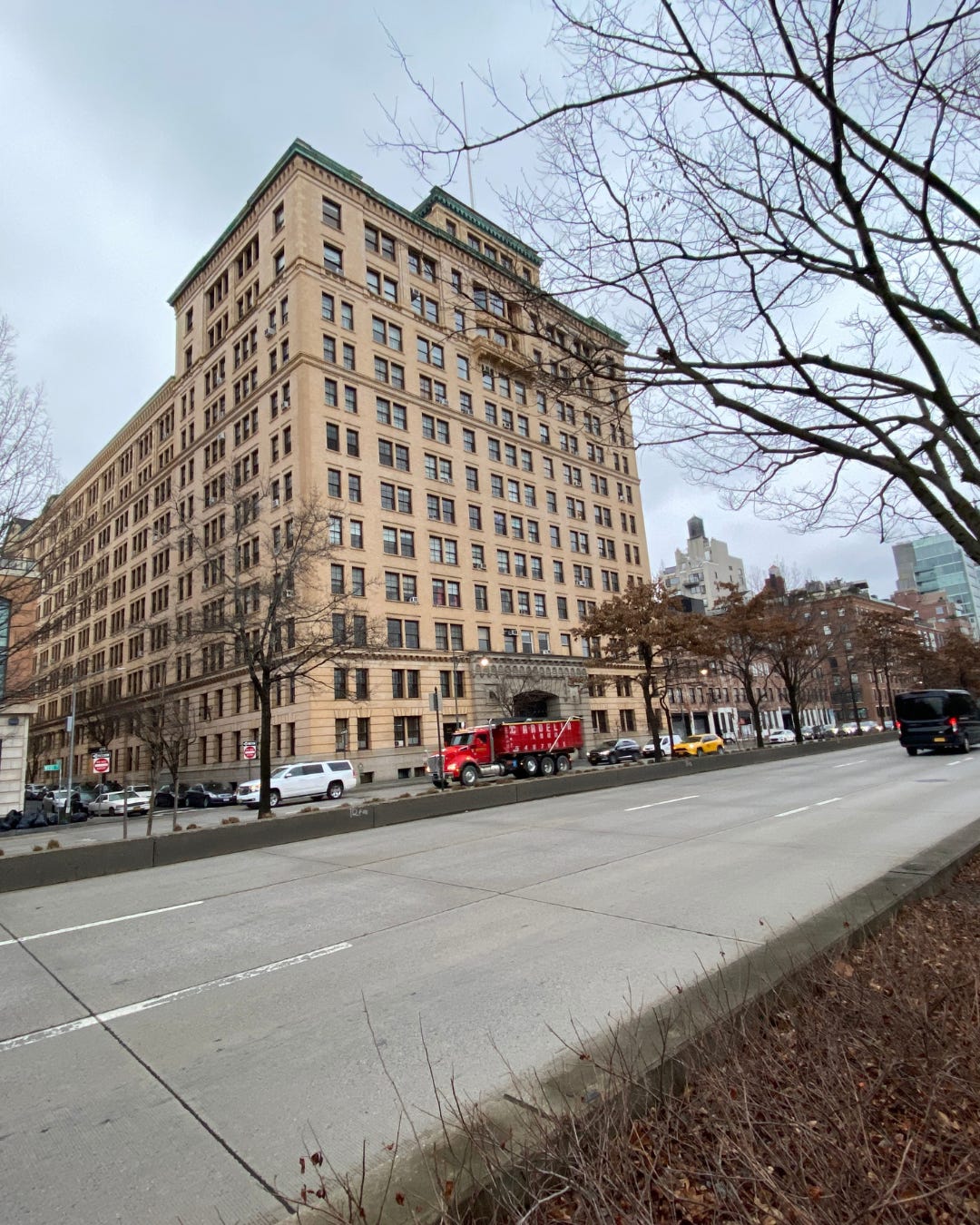
The industrial building ran the cycle first and slowest. Manufacturing space went obsolete across the second half of the twentieth century — containerized shipping, automation, cheaper labor abroad — and the demand for that kind of space, in that kind of place, simply moved. The buildings sat, too solid to demolish economically and too specialized to reuse as built, until artists and then capital found the cheap square footage and the neighborhood turned. Fifty years, obsolescence to conversion.
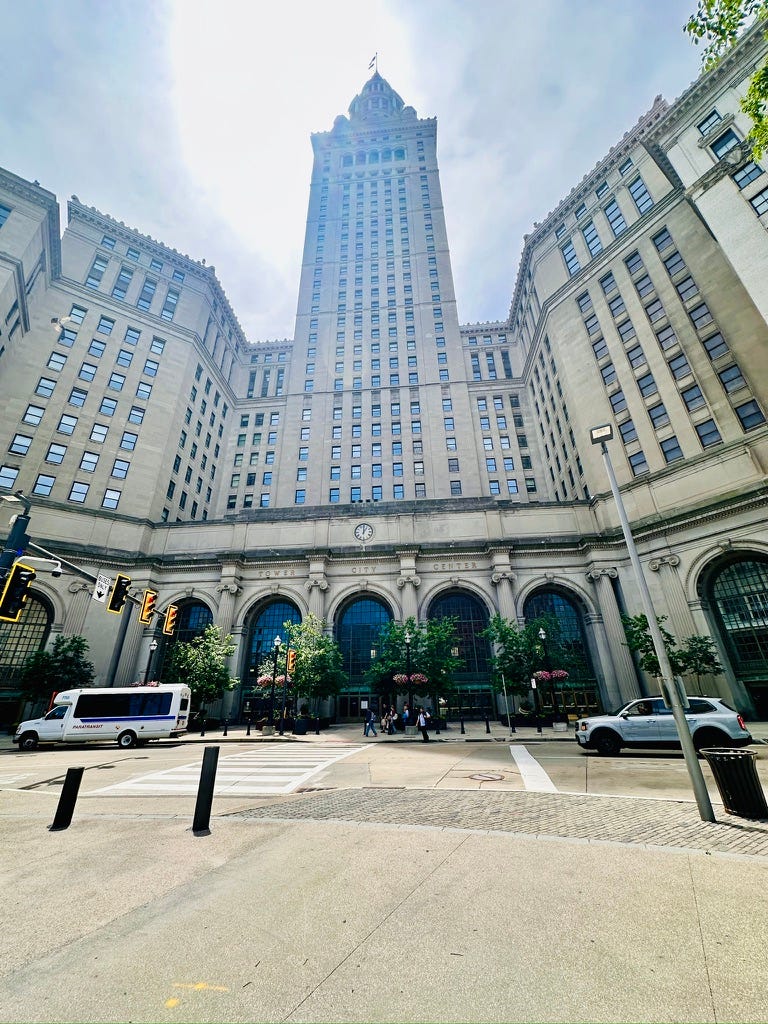
The office tower is the same cycle compressed into a handful of years. The desks did not move overseas; the work moved into laptops, and enough of it stayed there that the arithmetic of a downtown tower changed. What took the factory half a century is happening to office stock in a fraction of that time, which is why office space now dominates the conversion pipeline and why several cities are underwriting the math directly. For an owner, compression cuts both ways: the trough is shorter, but so is the interval in which the asset can be repositioned before the market reprices it for everyone.
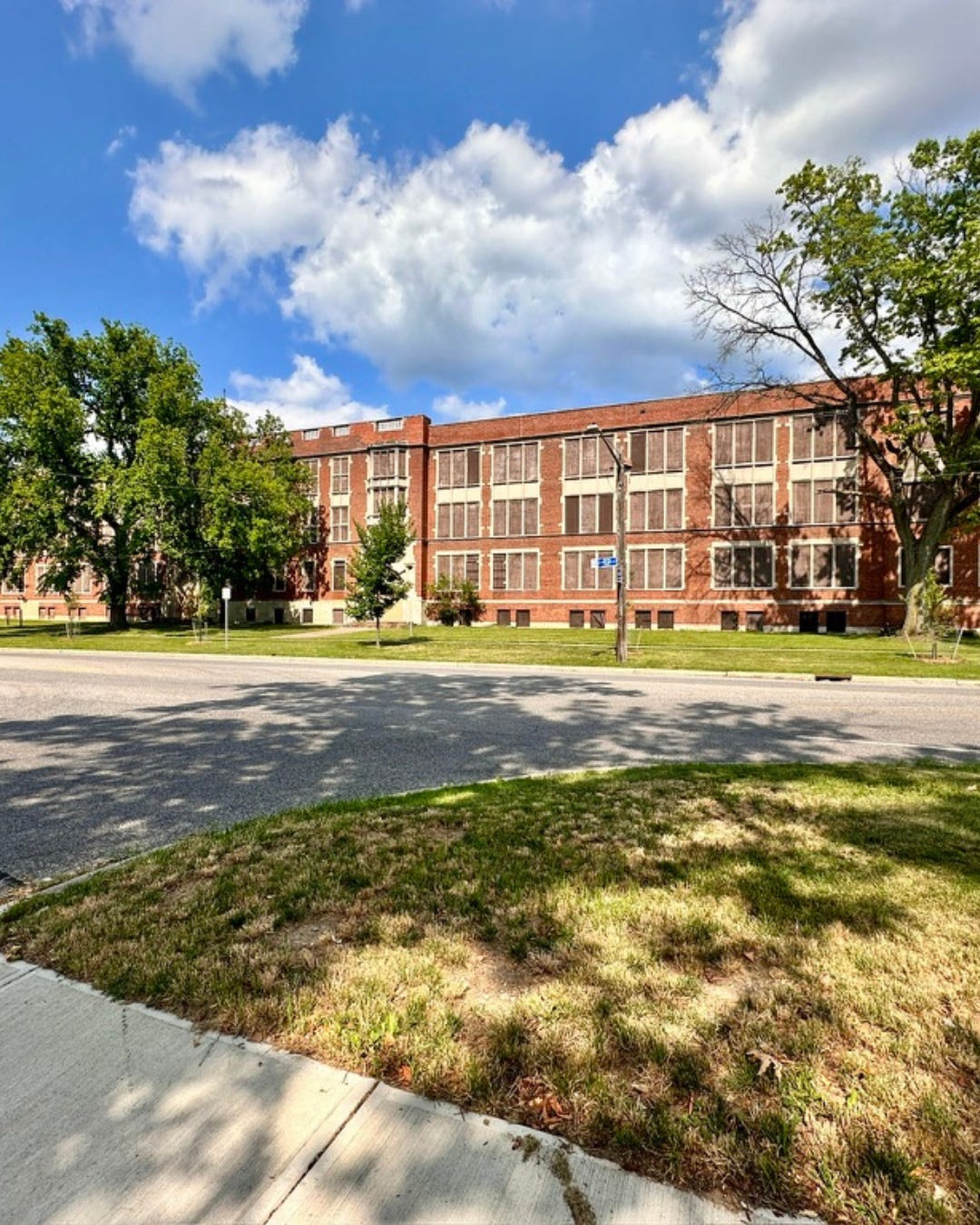
The school breaks the pattern in an instructive way. It did not empty because a technology moved — it emptied because people did. Enrollment fell below the line that keeps a building open, sometimes in neighborhoods that were gaining wealth at the very moment they were losing children. That makes a closed school genuinely ambiguous to read from the outside: it can signal a neighborhood in decline or one in the middle of gentrifying, and the two call for opposite transaction strategies. The building alone will not tell you which. The driver will.
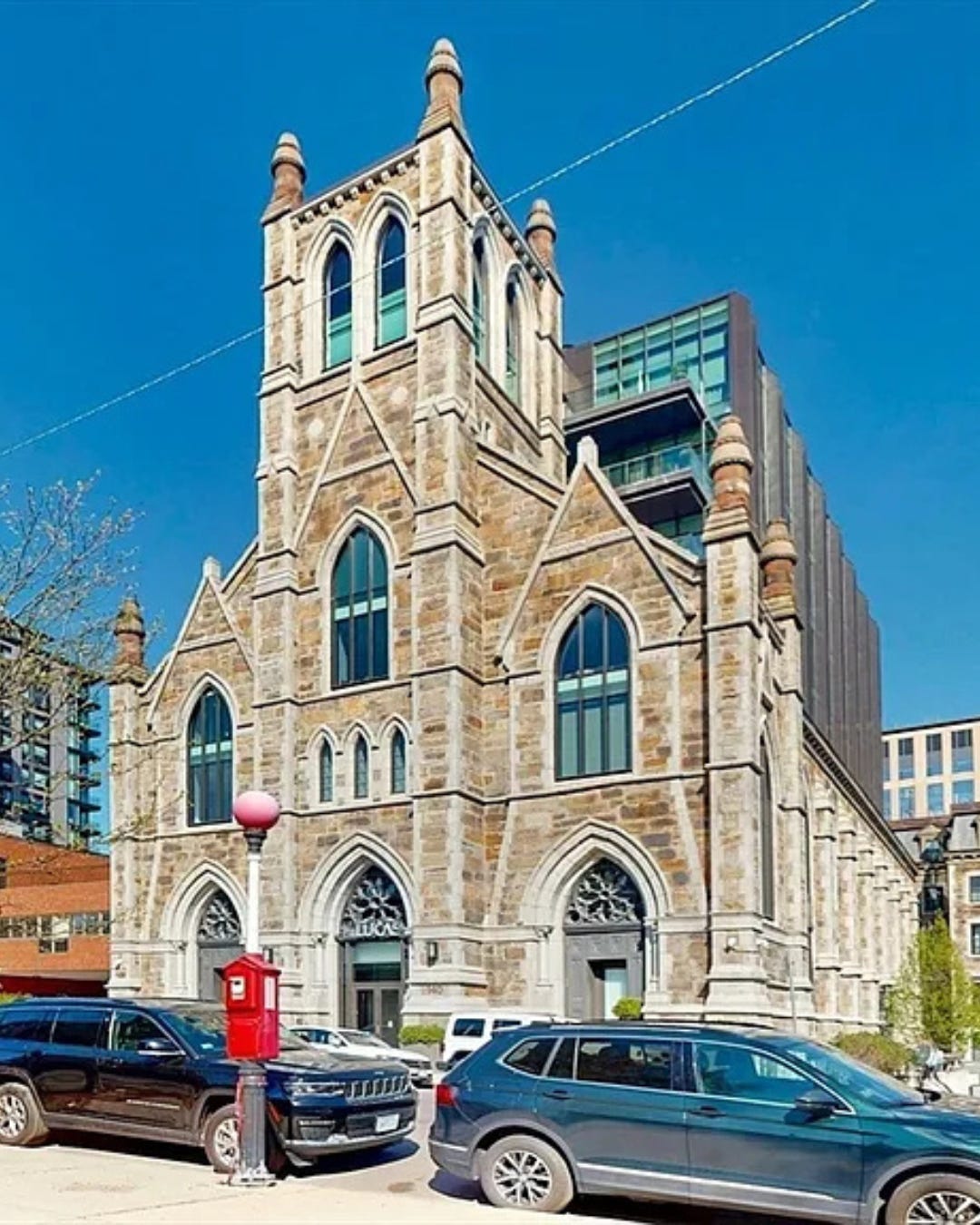
The church is the slowest and the most particular. A congregation thins over decades, and while a sanctuary is held in trust it sits outside the market entirely — no tax, no price, no highest and best use, because it has no price at all. That changes the instant it is sold: it enters the roll and acquires a most-profitable use for the first time, usually residential in any neighborhood under pressure. It is the clearest example of the whole principle. The value was always latent. The transaction is what reveals it.
What the Two Numbers Ask of an Owner
None of this is a story about distress. The machines left, the work went remote, the families moved, the congregation aged — demand relocated, the way it always does, and the buildings are following it through the cycle the way buildings always do. The strategic question is not whether an underutilized asset has a problem. It is which of its two numbers an owner is holding, and whether the interval between them is widening or closing.
Answering that is a valuation question before it is a transaction question, and the two are continuous. Reading the current use tells you the floor. Reading the driver — why the building emptied, and therefore who the next buyer is and how patient they can afford to be — tells you the ceiling, and the timing. An owner who understands both is negotiating from the second number. An owner who understands only the first is leaving the interval on the table for someone else to collect.
The empty buildings are the ones worth watching most closely. They are the assets caught mid-cycle, between what they were built for and what they are about to become — and they are where the difference between the two numbers is doing its quietest, most consequential work.
Own multifamily, land, or an underused asset ? Clarendon advises owners on affordable and conventional multifamily, land, and repositioning. Request a confidential asset evaluation →
Pulse — What We're Tracking
A cautionary note on conversion execution (CBS New York) — During the office-to-residential conversion of the former Pfizer headquarters in Midtown Manhattan — the largest such project in the city’s history — two structural columns buckled on an upper floor and the building was evacuated. Architects and city officials were quick to call the failure an anomaly across the hundreds of conversions completed in New York, but it’s a useful reminder that the interval between uses is an engineering problem as well as a valuation one: the spread only pays out when the reposition is executed soundly.
Boston extends its office-to-residential program (City of Boston) — Boston’s Office to Residential Conversion Program, which offers a 75% tax abatement for up to 29 years, has drawn applications covering roughly 1.5 million square feet across more than two dozen downtown buildings — over 1,500 units, including income-restricted ones — and has been extended through the end of 2026. For owners of underperforming downtown office assets, it’s a live example of a city underwriting the math that makes the second number real.
The largest federal housing bill in decades nears enactment (NPR) — The 21st Century ROAD to Housing Act — passed 85-5 in the Senate and 358-32 in the House — is scheduled to become law around July 10 without the President’s signature, under the constitutional rule that a bill left unsigned and unvetoed for ten days becomes law while Congress is in session. Trump declined to sign it over an unrelated voting bill, but the veto-proof margins and Speaker Johnson’s stated confidence make enactment the expected outcome. The package runs to nearly 60 provisions on supply, financing, and disaster recovery; most consequential for owners, it restricts large institutional investors (those holding 350+ single-family homes) from buying new single-family homes, with carve-outs for build-to-rent and certain transactions. Much of the effect depends on HUD rulemaking still to come.
Harvard’s State of the Nation’s Housing 2026 — The annual benchmark lands on a market where demand is softening, construction has slowed, and cost burdens hit record highs — 22.7 million cost-burdened renter households in 2024. Most striking for the affordable thesis: the stock of sub-$1,000 rentals fell by roughly 7 million units over the past decade, largely lost to inflation or converted upward — essential context for where affordability sits as conversion activity accelerates.

Tools • Services • Archive • About • Contact
About: Clarendon is a trusted partner for government compliance and advisory solutions, specializing in HUD-compliant services: brokerage, appraisals, rent comparability studies, market studies, inspections, facility support and strategic guidance for agencies, housing authorities and property owners nationwide.
© 2026 The Clarendon Group, Inc. All Rights Reserved. Disclosure